July 13, 2012 –Coronation, Zimbabwe
 |
| They gave me this mat |
Eight hours of driving.
Two hours of workshops.
Two large cabbages.
Eight kilos of chicken.
Two kilos of tomatoes.
Two kilos of onions.
Six kilos of rice.
One mat.
Twenty grandmothers and grandfathers.
Eleven songs.
A million smiles.
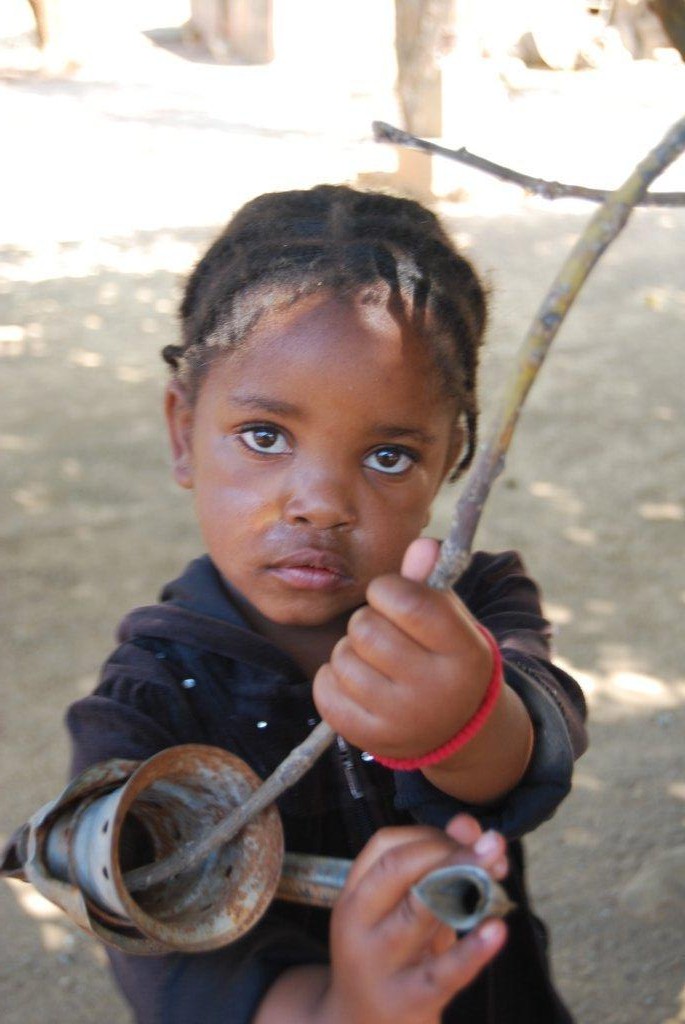
If I had to state my day in numbers, the above would be the
sum of it. Ncube, Q and I head out of
Bulawayo at 6:00am and stop in Masvingo to purchase food for our workshop
before driving the last 20k to Coronation.
This is where we delivered sixty goats a few weeks ago and I am excited
to be back. When we finished giving out
goats last time around, an older lady who was selected by the others approached
me and asked if I would consider giving them seeds for a community garden. She assured me that “we will all work on it
and it will provide food for the children until we can use the goats for meat
and we’ll make sure we work hard and we’ll use conservation farming so that
vegetables will grow even during the dry seasons and we’ll save seeds for next
year and you won’t be sorry because we are very serious with the donations and
will you please help us with seeds?”
All this came out breathlessly, quickly. As though afraid that she’d lose her nerve if
she didn’t get it all out at once. It
was easy to say that I’d think about it because this is the type of project
AFCA wants to do since it can be a first step in keeping people out of a system
where they expect to receive gifts year after year. This is the type of thing that can help them
become self-sufficient, so I told her I’ll think about it and will get back to
them with an answer. I don’t know if they believed me,
but they thanked me and we said goodbye.
 |
| church in coronation |
Now, I am traveling back to Coronation, a tiny enclave of houses
sitting on some of the driest land I’ve seen in this country. The ladies wait for us at the same church where
we first met, thinking that all we will be doing today is a workshop about
goats. They take out their paper and
pens and are ready to take notes about goat care when I surprise them by
announcing that they have been selected to be part of a pilot project for personal
gardens and that AFCA will provide seed for them if they want to participate in
the trial.

They will receive training
on how to use conservation farming to keep the soil humid even during times of
drought, they will learn how to compost, how to fence, how to grow new veggies,
and how to save seeds for next year. In
fact, drought resistant, non GMO seeds are on their way to ZOE’s offices. Once the dancing and singing dies down, they
all register for the trial, excited that their voices were heard and that they
will get to share what they learn with other groups. Together, it is decided that we’ll do
personal gardens and that an award (three packets of seeds) will be given to
the person with the largest harvest.
We start the pilot project with a lesson on composting. Ncube translates my words into Shona and the
training time goes by quickly. They take
notes, they ask questions. You can feel
the excitement through the tiny room and Q is a bundle of smiles as he takes it
in. Ncube hands everyone a schedule with
deadlines for fencing, plot readiness, composting, when seedlings will be
planted, etc. It is so amazing to hear
them participate and to know, to just KNOW that this is going to be a great
project. These women and men are so
ready to do this! They are taking a
small gift and are going to turn it into something wonderful for their
families.
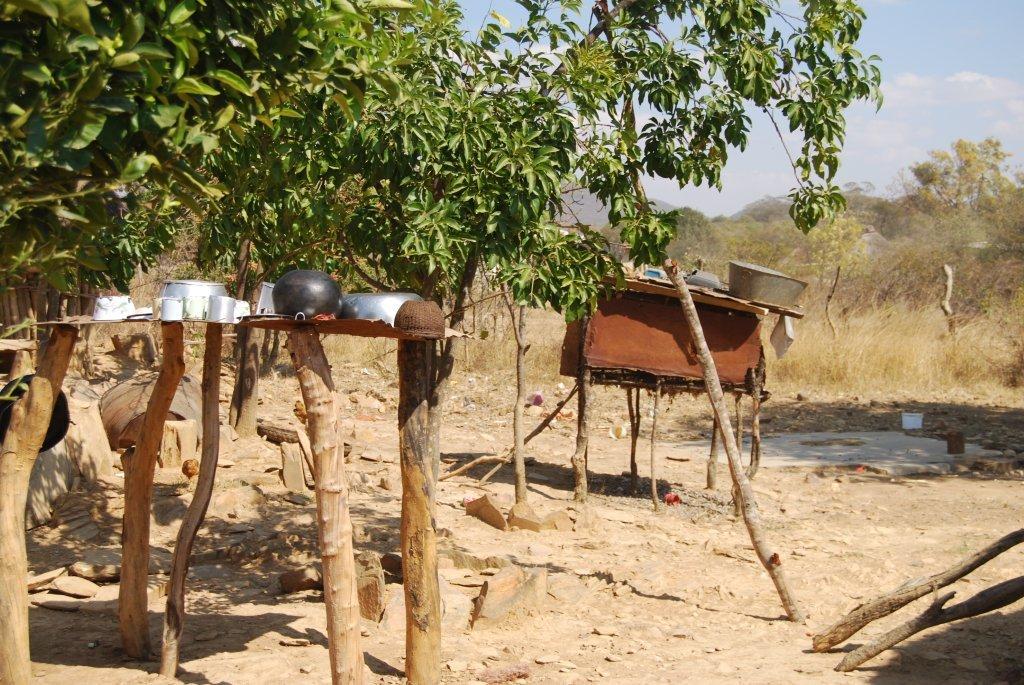 |
| Someone's kitchen |
Together, we all walk to their homes to give ideas of where
they could have a garden. Some have
small plots going, with spinach and greens growing. Some have nothing. Some have a dream, but need help in making it
a reality. We talk, we plan, we dream
with the. In all the houses, we see their
healthy goats roaming around eating anything they can get their teeth on. Each guardian has built a nice hut for their
goats and they boast at how the milk is good for the children and they show
them to us proudly. Q takes this time to
start up with his workshop, using live goats as models for his trainings. An old man, leaning on his cane, looks
carefully into the eyes of a goat and tells us that the goat is healthy. Q looks, too, and patting the man on the back,
lets him know that he answered well.
 |
| They cooked |
 |
| Bringing food from kitchen to church |
Back at the church, Q continues with his workshop. Ncube has to translate for him, too, so they
hand me the truck keys and ask me to bring the prepared lunch to the
church. HA! Silly men!
Don’t they know I’ll never find my way to the hut and back? Thankfully, a woman comes with me and we
drive out together into the sand and dry.
We arrive at the small round hut where three women have been cooking the
chicken, rice and veggies we brought for the training. They hug me and seem surprised that I am
willing to carry pots, plates and water to the truck. They clamber into the back of the truck with the food and off we go,
under the gnarled tree, past the swaying fence, over some scattered rocks, by
the skinny dog who breaks my heart, and to the church.
We eat the delicious food they’ve prepared and as the time
approaches for us to leave, they sing one last song:
Every day
Every hour
He is faithful
To us
Every day
Every hour
He is with us
Oh, Lord
To be taught a lesson about God’s faithfulness by a group of
people with nothing more than three goats, the clothes on their back, some
basic cooking utensils, orphans to look after, and a small hut to call home is
a lesson, indeed. I’ve been worrying
about the $100-$150k I need to raise by the end of this year, yet the lesson I
hear today is clear – don’t worry. Just do your job, do it well, do it to the
best of your ability. The rest is up to
God because He is faithful.
As we leave, the grandmothers remain at the church voting on
committee members for the garden project.


